Chinese Economist Sounds Alarm Over Rising Debt Risks
China’s economic outlook is drawing fresh scrutiny after a leading economist raised concerns about the country’s growing dependence on short-term stimulus. The caution arrives at a moment when Beijing is grappling with weak consumer demand, a prolonged property downturn, and mounting local government liabilities.
The warning adds new weight to an ongoing debate over how far the government should go in using debt-driven policies to stabilize growth.
Rising Anxiety Over Stimulus-Driven Growth
A restrained approach to large-scale stimulus followed the COVID-19 pandemic, leaving many investors wondering whether the measures rolled out were strong enough to restart momentum in the world’s second-largest economy.
With real estate developers under strain and local governments facing heavy repayment obligations, Beijing has stressed targeted investment and what President Xi Jinping calls “high-quality development” instead of broad cash injections.
Some analysts argue that these limited measures did not deliver the confidence boost the economy needed, creating pressure for further government action. At the same time, concerns are growing that expanding stimulus could trigger a new wave of borrowing with long-term consequences.
A Warning From Liu Xiaoshu

chinapolicy.substack.com | Chief Economist Liu Xiaoshu warns that relying on quick fiscalmonetary support is risky.
Liu Xiaoshu, chief economist at the Bank of Qingdao and director at the China Chief Economist Forum, issued one of the strongest cautions yet. In a recent op-ed, he wrote that reliance on fiscal and monetary support carries risks often overlooked in the pursuit of quick gains.
“Short-term stimulus often relies on increased government borrowing,” Liu explained. “Over time, this builds up debt, raising fiscal risk. As debt grows, more funds go toward interest payments, squeezing out social services and other public spending.”
His assessment highlights what he describes as a potential “vicious cycle,” where rising debt undermines investor confidence, increases borrowing costs, and could eventually steer the country toward a financial crisis.
Liu referenced Japan’s “Lost Decades” along with cases in southern Europe such as Greece. In these examples, repeated stimulus and widening deficits failed to address structural weaknesses and instead created deeper financial burdens.
Competing Views Among Economists
Liu’s position contrasts sharply with more stimulus-friendly voices. Lian Ping, an economist at East China Normal University, continues to support higher government spending to help lift household consumption and energize domestic demand.
China set its official 2025 deficit ratio at 4% of GDP—an unprecedented level for the country. Lian said in published comments that, despite the increase, the fiscal picture remains stable:
“Although this figure is significantly higher than in the past, the Chinese government’s fiscal situation and debt level are generally stable and healthy, especially the low ratio of central government debt to GDP. This increase will not bring too much risk.”
During last December’s Central Economic Work Conference, where China’s top leaders determine the economic agenda, Lian reiterated his support for a more active fiscal posture.
Key Numbers Shaping the Outlook
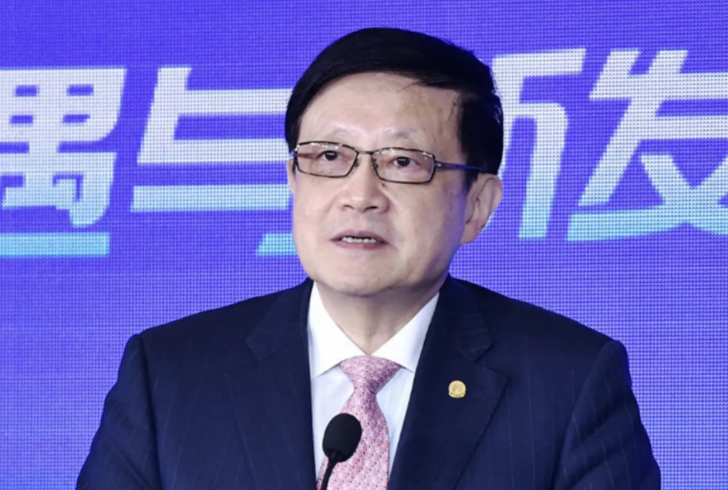
fredgao.com | Economist Lian Ping favors higher government spending for consumption.
Several firms are watching China’s debt trajectory closely, and the projections for next year paint a complicated picture.
Fitch Ratings estimates:
1. Total government deficit may rise to 8.4% of GDP in 2025, up from 6.5% in 2024
2. Overall government debt could reach 68.5% of GDP, a high level for a developing economy
Despite these expanding liabilities, Fitch increased its 2025 growth forecast for China to 4.7%, citing the impact of current stimulus efforts and stronger export activity. Beijing is aiming slightly higher, targeting about 5% economic expansion.
What Comes Next for China’s Economy?
The debate over stimulus and structural reform is expected to intensify as China considers its next policy moves. Leaders must balance efforts to support growth with the risks of debt levels that could limit future investment or strain public finances.
Short-term stimulus can lift activity for a while, yet concerns persist about how long debt-driven measures can continue without addressing the economy’s underlying weaknesses.
China is at a critical point as policymakers face slower expansion, rising debt, and contrasting expert views. Liu Xiaoshu warns of the long-term costs tied to repeated stimulus, whereas economists like Lian Ping focus on the role of targeted fiscal spending. With deficits climbing and global pressures shifting, Beijing’s choices will shape its financial resilience and its longer-term outlook.