How to Start Urban Homesteading Without a Backyard
The modern homesteading trend is no longer limited to wide-open farmland and oversized gardens. Apartment dwellers, city homeowners, and renters are now finding practical ways to grow food, preserve ingredients, and create a slower, more intentional lifestyle inside small urban spaces.
Inspired by the self-sufficient spirit seen in “Little House on the Prairie,” indoor homesteading blends traditional skills with modern living, making the lifestyle accessible even without a backyard.
Interest in urban homesteading has grown sharply over the last few years. Supply chain disruptions, rising grocery costs, and growing concerns about sustainability pushed many people to rethink how food is sourced and used at home. Search trends reflect that shift.
Yelp reported a 58% increase in searches for plant nurseries, while garden center searches climbed 27%. Interest in garden decor also surged, with searches for garden statues jumping 117%. The movement goes beyond houseplants and herbs. Searches connected to chicken coops increased by 163%, while requests for live chickens soared by 424%.
Urban Homesteading’s Growing Appeal
Urban homesteading offers a practical alternative to fast-paced consumer habits. Instead of relying entirely on stores, people are learning how to grow herbs indoors, preserve seasonal produce, repair clothing, and reduce household waste. The appeal comes from simplicity and usefulness rather than aesthetics alone.
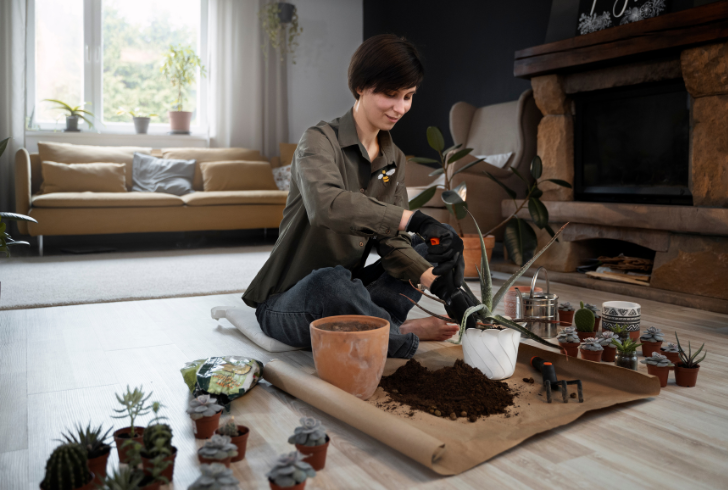
Freepik | Urban homesteading focuses on practical self-reliance—from indoor gardening to reducing waste.
Small-space homesteading also fits naturally into modern city life. A sunny windowsill can support a thriving herb garden, while shelves with grow lights can produce leafy greens year-round. Even compact apartments can support small systems designed for fresh food production.
The lifestyle also encourages a closer connection to everyday routines. Baking bread from scratch, drying herbs, or learning to can vegetables creates a stronger appreciation for food and household resources.
Starting Small Makes the Process Easier
One of the biggest obstacles for beginners is the learning curve. Most urban residents did not grow up farming or gardening, so trying to recreate a full homestead overnight often leads to frustration. Starting with manageable projects keeps the process realistic and enjoyable.
Indoor herb gardens are often the easiest entry point. Basil, mint, parsley, and chives grow well near bright windows and require little maintenance. Once confidence builds, indoor gardeners often expand into vegetables such as lettuce, peppers, or tomatoes using vertical planters and hydroponic systems.
Grow lights also make indoor food production possible during colder months or in apartments with limited sunlight. These setups allow herbs and vegetables to grow consistently throughout the year without needing outdoor space.
A few practical tools commonly used in indoor homesteading include:
– Vertical gardening containers
– Hydroponic growing systems
– LED grow lights
– Mason jars for food storage and fermentation
– Drying racks for herbs and produce
Small changes often create the strongest long-term habits. A single shelf of edible plants can gradually turn into a productive indoor garden.
Food Preservation Plays a Major Role
Growing food is only one part of homesteading. Preserving ingredients is equally important, and it does not require a personal garden. Farmers markets, neighborhood produce stands, and community gardens provide fresh ingredients that can be canned, dried, or fermented at home.
Seasonal fruits and vegetables work especially well for preservation projects. Tomatoes become pasta sauce, cucumbers turn into pickles, and berries can be transformed into jams. These methods reduce food waste while extending the life of fresh ingredients.
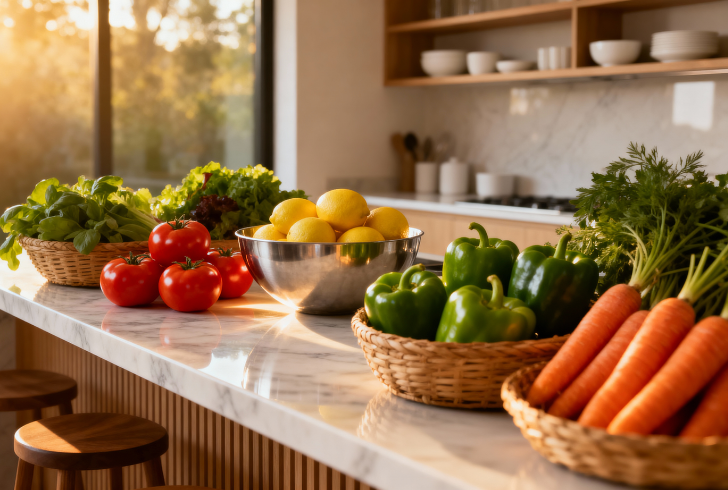
Freepik | Preserving seasonal fruits and vegetables extends their shelf life and slashes food waste.
Foraging also connects many urban homesteaders to local food sources. In areas near forests or trails, people often gather edible plants and mushrooms such as morels, wild greens, currants, and acorns. Safe foraging requires careful research and identification, though many communities now offer local workshops and guided walks for beginners.
Fishing and hunting remain part of the homesteading tradition in some regions, although city-based homesteaders usually focus more on gardening and food preservation due to space and legal restrictions.
Bringing the Homesteading Look Indoors
Urban homesteading often extends beyond food production and shapes the way living spaces are organized. The style shares elements with cottagecore but places greater emphasis on practicality and resourcefulness.
Natural textures and secondhand finds play a key role. Framed botanical illustrations, handmade quilts, vintage clocks, and weathered wood accents add personality while reflecting a connection to traditional skills and craftsmanship.
Functional pieces are often favored over matching furniture sets. Farmhouse dining tables, reclaimed storage solutions, woven baskets, and multipurpose furnishings help maximize space while supporting a more intentional way of living.
Rather than focusing on appearance alone, the design encourages usefulness and comfort. Every item serves a purpose, creating a home environment that feels warm, organized, and connected to everyday routines.
Urban homesteading shows that traditional self-reliance can adapt to modern living. Indoor gardens, food preservation projects, and mindful household practices make it possible to participate in the movement regardless of available outdoor space.
By focusing on practical habits and thoughtful resource use, even compact homes can support a more sustainable and hands-on lifestyle.