Rupert Grint Faces Major Tax Bill After Losing UK Case
Rupert Grint, best known for his role as Ron Weasley in the “Harry Potter” series, is now facing a significant tax obligation in the United Kingdom. The actor has been ordered to pay just under $2.3 million to His Majesty’s Revenue and Customs (HMRC) following a legal dispute over the classification of his earnings from the blockbuster film franchise.
The case centers on residual payments—revenue generated by “Harry Potter” after its initial release, including income from streaming platforms and DVD sales. Grint reportedly categorized this money as “capital assets,” which would have subjected it to a lower capital gains tax rate. HMRC argued, however, that these funds should have been counted as personal income, taxed at a higher rate.
Background of the Case
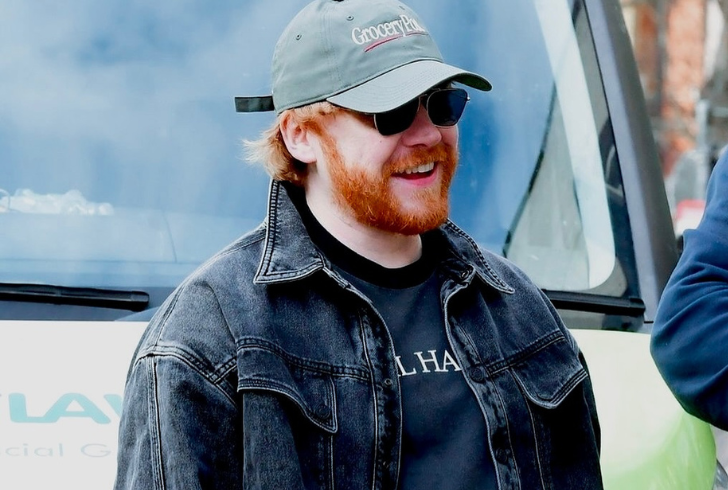
Instagram | rupertlloydgrintfacts | Rupert Grint was ordered to pay HMRC almost $2.3 million in back taxes.
The dispute began in 2019 when HMRC challenged the way Grint’s earnings were reported. During the 2011-2012 tax year, Grint received approximately $5.7 million from a company overseeing his business interests. By treating these funds as capital assets rather than income, Grint could pay a capital gains tax rate of 10%, rather than the higher combined income and national insurance tax rate, which can reach up to 52%.
Lawyers representing Grint appealed the ruling, but a UK judge recently upheld HMRC’s decision. The court determined that the earnings “derived substantially the whole of its value from the activities of Mr. Grint” and therefore were taxable as income.
This case is not the first time Grint has faced tax issues. In 2019, he lost a separate court battle over a $1.2 million tax return, indicating a pattern of disputes with the tax authorities.
Celebrity Tax Cases Are Common
Grint’s situation is part of a broader trend where high-profile entertainers encounter tax complications. Figures such as Lil Wayne, Willie Nelson, and Dionne Warwick have faced penalties for misclassified income or improper use of tax shelters.
In Grint’s case, the judge referenced the so-called “Beatles clause,” noting that the loophole he attempted to exploit was similar to one used by the Beatles in the 1960s to pay capital gains tax instead of income tax.
Career Highlights
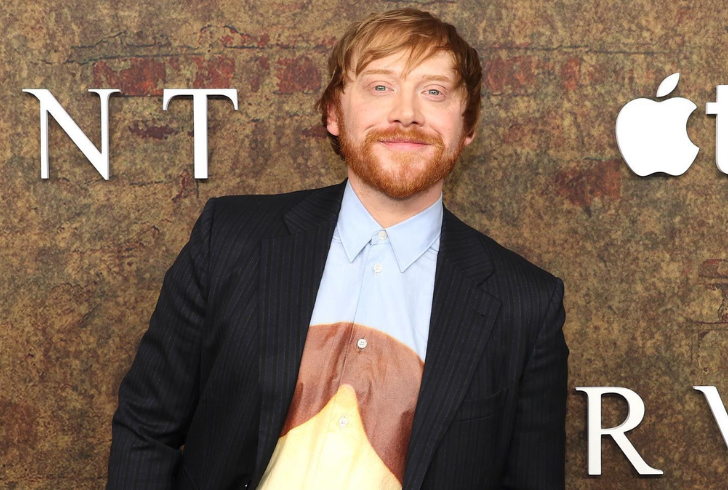
Instagram | justjared | Grint remains active in entertainment, recently starring in the horror series “Servant.”
Outside of legal battles, Grint has continued his work in entertainment. Beyond his iconic role in the “Harry Potter” films, he recently starred in “Servant,” a psychological horror series created by director M. Night Shyamalan. His career reflects a diverse range of roles beyond his early success as a child actor.
Tax Challenges of Residual Earnings
Residual payments are a key source of long-term earnings for actors, but they can become complicated when classified for tax purposes. Income classified as a capital asset is taxed differently than regular earnings, creating potential legal scrutiny.
In Grint’s case, the classification of $5.7 million as capital assets rather than income triggered the dispute and ultimately led to a significant tax bill.
Rupert Grint’s legal defeat underscores the complexities of taxation for actors earning from long-term film revenues. The case highlights the importance of proper financial reporting, especially when dealing with residual income that spans decades. For Grint, the ruling not only results in a substantial tax payment but also reinforces the scrutiny public figures face when navigating financial regulations.