How Starbucks Is Expanding Its Business Worldwide With Region-Specific Menus
Starbucks’ global growth strategy is not built on copying and pasting the same menu everywhere. Instead, it relies on a careful mix of familiar coffee and region-specific food that feels local, personal, and relevant. This approach is now central to the company’s plan to expand to nearly 40,000 stores worldwide, with international markets playing a major role in that ambition.
During a visit to India around Diwali last fall, Starbucks International CEO Brady Brewer sampled a saffron tiramisu and a spicy chicken tikka sandwich at a local Starbucks store. The experience left a lasting impression.
“That saffron tiramisu I had in India? I thought, ‘Why aren’t we offering this everywhere in the world? It’s beautiful, and it tastes amazing,’” Brewer said in an interview with Fortune ahead of Starbucks’ investor day in New York.
That moment reflects a broader philosophy inside Starbucks’ international business. Food items are designed to reflect regional tastes, while coffee remains consistent across borders. In the Netherlands, customers recognize the stroopwafel as a familiar favorite. In Japan, the matcha tea loaf fills that role.
According to Brewer, local customers expect food that feels close to home, while coffee is expected to carry the Starbucks signature. “Local cultures expect their food to be local and something familiar,” Brewer explained. “But for coffee, they expect it to be our global product.”
International Growth Outpacing the U.S.

Instagram | gcrmag.com | Starbucks CEO Brady Brewer’s Diwali visit to India inspired him with local saffron and tikka flavors.
While much attention remains on Starbucks’ U.S. business, the company’s international division has become a major growth engine. The segment generates nearly $8 billion annually and grew 10% in the most recent quarter. It now accounts for about 21% of Starbucks’ total revenue.
The U.S. business recently returned to comparable sales growth after two years, yet international markets never faced the same level of pressure. That contrast is shaping how Starbucks allocates its future investments.
At the investor day, CEO Brian Niccol highlighted the strength of Starbucks’ reach beyond North America. “This global scale and reach make Starbucks the clear market-share leader in a growing away-from-home coffee category and the most widely accessed premium coffee brand in the world,” Niccol told Wall Street analysts.
Where the Next 20,000 Stores May Appear
Starbucks currently operates about 20,000 stores outside North America. Brewer believes roughly half of the next wave of locations could be in China. After earlier challenges, Starbucks partnered with Boyu Capital last fall to manage its China expansion, and the business has since regained momentum.
Beyond China, much of the expansion will focus on markets where Starbucks already has a strong footing. Countries such as Britain and Mexico continue to show steady growth and demand for the brand.
Importantly, Starbucks has avoided repeating certain U.S. missteps overseas. In the United States, reducing café seating to prioritize mobile orders and drive-thru service weakened the brand’s long-standing idea of being a “third place,” separate from work and home. International locations largely retained that social element, which continues to resonate with customers.
Honoring Local Coffee Traditions
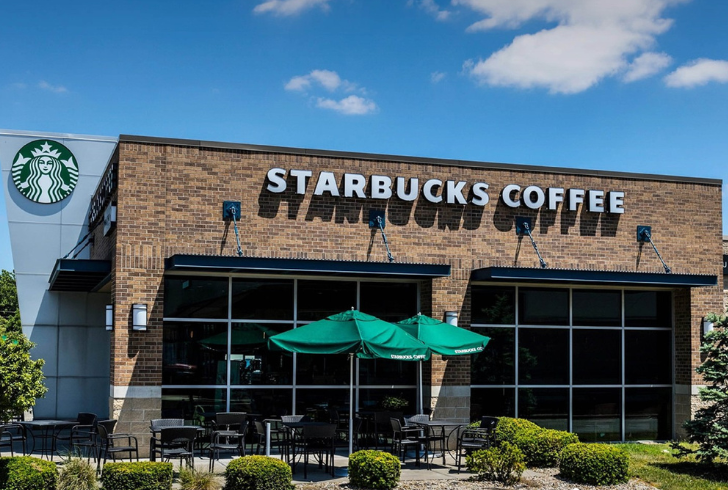
Instagram | costar | Starbucks succeeded in Italy by selling a social experience rather than challenging its deep-rooted coffee culture.
Italy stands out as a market where Starbucks’ approach could have failed. Coffee there is deeply cultural, and consumers are highly knowledgeable. Yet Starbucks found success by offering a space to sit, relax, and socialize rather than trying to change how Italians drink coffee.
“We’re not trying to change the Italian coffee culture, but we can add to it with a great ‘third place’ experience,” Brewer said. Younger customers, in particular, have responded well to that offering.
Global Brand Amid Political Tensions
As a distinctly American company, Starbucks operates during a period of political tension between the U.S. and several countries. In its annual report released in November, the company flagged “rising anti-American sentiment in certain markets” as a potential risk.
Brewer argues that Starbucks has moved beyond being seen only as a U.S. brand. Coffee sourced from countries such as Indonesia and Brazil is used within those same markets, reinforcing a sense of shared value rather than foreign ownership.
That global mindset, paired with local relevance, has helped Starbucks remain adaptable across regions. The saffron tiramisu serves as a clear example of Starbucks’ broader thinking. It reflects local tradition while existing within a global brand framework.
“It’s a celebration of the local culture within the context of a global company,” Brewer said. “And that balance has served us well, and makes the brand resilient.”
Starbucks’ plan to reach 40,000 stores relies less on speed and more on sensitivity to local habits. By keeping coffee consistent and food region-specific, the company continues to grow without flattening cultural differences.
Stroopwafels in the Netherlands, matcha loaves in Japan, and saffron tiramisu in India are not side details. They are part of a deliberate strategy that supports global scale while staying relevant in each market.